
Alcohol and GLP-1 Medications: Can You Drink Safely While Losing Weight?
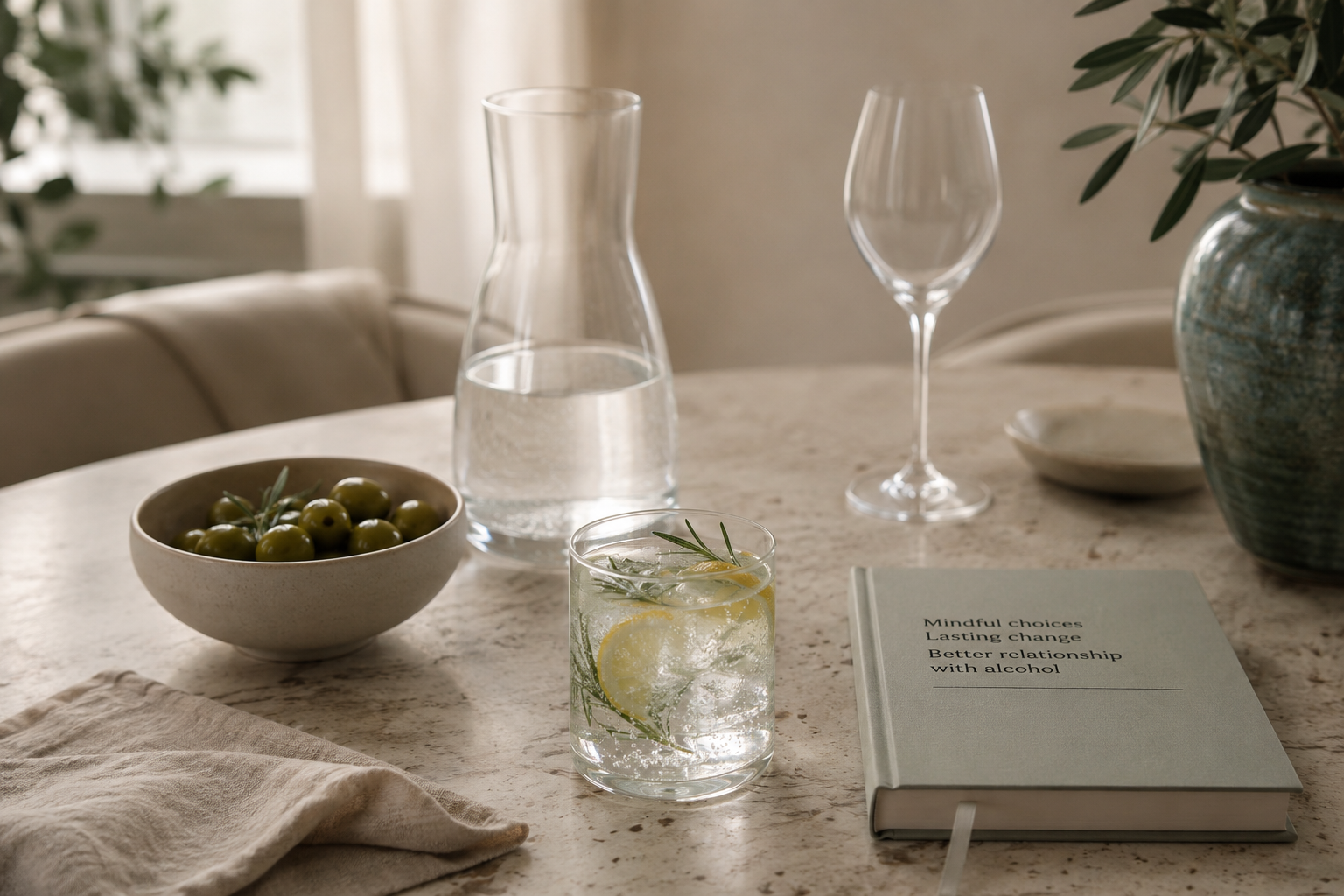
GLP-1 medications such as semaglutide (Ozempic, Wegovy) and tirzepatide (Mounjaro, Zepbound) help regulate appetite, blood sugar and digestion.
Many people taking these medications wonder whether it is safe to drink alcohol while using them.
For some individuals, alcohol tolerance or desire for alcohol may change while using GLP-1 medications. Others simply want to understand how drinking might affect weight-loss progress.
Understanding how alcohol interacts with the body during GLP-1 treatment can help people make informed choices.
If you're trying to make this feel manageable in real life, the GLP Reset™ System brings everything together in one place — simple, structured, and designed to actually work day to day.
How GLP-1 Medications Affect Digestion
GLP-1 medications slow gastric emptying, meaning food and liquids remain in the stomach longer.
This effect helps increase feelings of fullness and reduce appetite.
However, slower digestion can also influence how alcohol is absorbed.
Because alcohol enters the bloodstream through the digestive system, delayed stomach emptying may change how quickly alcohol affects the body.
Some people report that alcohol feels stronger or lasts longer while taking GLP-1 medications.
For this reason, moderation and awareness are particularly important.
Changes in Alcohol Cravings
One interesting effect reported by some GLP-1 users is a reduction in alcohol cravings.
Research suggests GLP-1 receptors exist in areas of the brain that influence reward behaviour.
Because these medications affect dopamine and reward pathways, some individuals notice:
• reduced desire to drink alcohol
• less interest in habitual drinking patterns
• smaller amounts feeling sufficient
Although this effect varies between individuals, some people find that alcohol consumption naturally decreases during treatment.
Why Some People Lose Interest in Alcohol on GLP-1 Medications
Some people notice a surprising change after starting GLP-1 treatment: they simply feel less interested in drinking.
Researchers believe this may occur because GLP-1 medications influence reward pathways in the brain.
These pathways are involved in the motivation to seek pleasurable experiences, including food and alcohol.
When appetite signals are reduced, cravings for other reward-based behaviours may also change.
Although this effect does not occur for everyone, some people report naturally drinking less during treatment without consciously trying to cut back.
Alcohol and Weight-Loss Goals
Alcohol can influence weight-loss progress in several ways.
Alcohol contains calories but provides little nutritional value.
For example:
• a glass of wine may contain 120–150 calories
• a pint of beer may contain 180–250 calories
• cocktails may contain even more depending on ingredients
In addition to calorie intake, alcohol may also affect decision-making around food.
Some people notice that drinking alcohol makes it easier to overeat or choose less nutritious foods.
For individuals focused on weight loss, moderation can help maintain progress.
Some people also worry about weight regain after treatment ends. Our guide to weight regain after Wegovy explains how to maintain results.
Blood Sugar Considerations
Alcohol can influence blood sugar levels, particularly for individuals using GLP-1 medications to manage diabetes.
Alcohol may sometimes cause blood sugar to drop several hours after drinking.
This effect can be more noticeable when alcohol is consumed without food.
Eating balanced meals and monitoring blood sugar levels can help reduce this risk.
Anyone with diabetes should discuss alcohol consumption with their healthcare provider.
Why Some People Feel More Sensitive to Alcohol
Some GLP-1 users report feeling intoxicated more quickly than expected.
Several factors may contribute to this experience:
• slower digestion
• reduced body weight during treatment
• changes in eating patterns
Drinking alcohol on an empty stomach may intensify these effects.
For this reason, consuming alcohol slowly and alongside food may help reduce unexpected reactions.
Drinking on an Empty Stomach
GLP-1 medications often reduce appetite so significantly that people may drink alcohol without having eaten very much beforehand.
Drinking on an empty stomach can increase the speed at which alcohol enters the bloodstream.
This may lead to:
• faster intoxication
• dizziness
• nausea
• stronger hangovers
Eating a small balanced meal before drinking may help slow alcohol absorption and reduce these effects.
Appetite suppression can make meal planning more difficult. Our article on eating when appetite is low on GLP-1 medications provides practical ideas.
Potential Side Effects When Alcohol and GLP-1s Are Combined
Combining alcohol with GLP-1 medications may increase the likelihood of certain digestive symptoms.
Possible effects may include:
• nausea
• stomach discomfort
• reflux
• dehydration
Because GLP-1 medications already influence digestion, alcohol may sometimes worsen these symptoms.
Paying attention to how the body responds can help individuals decide what level of consumption feels comfortable.
Choosing Lower-Impact Alcohol Options
For individuals who choose to drink occasionally, certain strategies may reduce the impact on digestion and calorie intake.
Some people prefer options such as:
• dry wines
• light beers
• spirits mixed with low-sugar mixers
These choices may contain fewer calories than sweet cocktails or sugary drinks.
Spacing drinks slowly and alternating with water can also help reduce overall alcohol intake.
Hydration Matters
Alcohol can contribute to dehydration.
Staying well hydrated is especially important for people taking GLP-1 medications because dehydration may worsen symptoms such as:
• headaches
• fatigue
• constipation
Drinking water alongside alcoholic beverages can help maintain hydration levels.
Why Hangovers May Feel Different
Some GLP-1 users report that hangovers feel stronger than expected.
Several factors may contribute to this:
• reduced calorie intake
• lower body weight during treatment
• dehydration
• slower digestion
Drinking water regularly and limiting alcohol intake can help reduce the likelihood of next-day symptoms.
Social Drinking During Weight Loss
Alcohol often plays a role in social events such as celebrations, dinners and holidays.
Many people find it helpful to plan ahead for situations where alcohol is present.
Possible approaches include:
• setting personal limits in advance
• alternating alcoholic drinks with water
• choosing smaller servings
These strategies allow individuals to participate in social events while still supporting their health goals.
Navigating Social Situations Involving Alcohol
Many social events include alcohol, which can sometimes feel challenging for people adjusting to new eating habits.
Some individuals find it helpful to prepare simple responses when declining drinks or choosing smaller amounts.
Examples might include:
• choosing a single drink and switching to water afterward
• selecting alcohol-free alternatives
• explaining that they are focusing on health goals
Planning ahead can reduce pressure and help individuals feel more comfortable in social settings.
When It May Be Best to Avoid Alcohol
In some situations, avoiding alcohol temporarily may be advisable.
Examples may include:
• early stages of GLP-1 treatment when side effects are strongest
• periods of nausea or digestive discomfort
• medical conditions affecting liver function
• medication interactions
Healthcare providers can offer personalised guidance based on individual health history.
Talking With Your Doctor About Alcohol
Everyone responds differently to both medications and alcohol.
If someone has questions about alcohol consumption during GLP-1 treatment, discussing the topic with a healthcare professional can provide reassurance.
Doctors can consider factors such as:
• medical history
• other medications
• blood sugar management
• personal health goals
This helps ensure that decisions about alcohol are made safely.
Alcohol and Digestive Comfort
Because GLP-1 medications slow digestion, alcohol may sometimes worsen digestive symptoms.
Some people notice increased:
• acid reflux
• stomach discomfort
• bloating
Choosing smaller amounts of alcohol and avoiding drinking late at night may help minimise these symptoms.
Listening to the body’s response can help determine personal tolerance levels.
Finding the Right Balance
Weight-loss journeys often involve lifestyle adjustments rather than strict restrictions.
For many people, the goal is not complete avoidance of alcohol but finding a level of consumption that supports overall health goals.
This balance may include:
• drinking less frequently
• choosing lower-calorie options
• prioritising hydration
• paying attention to how the body responds
Small adjustments can allow individuals to enjoy social occasions while continuing to focus on long-term wellbeing.
For a complete overview of living well with GLP-1 medications, see our GLP-1 Lifestyle Guide.
The Bottom Line
Many people taking GLP-1 medications can still enjoy alcohol occasionally.
However, these medications may change how the body responds to alcohol by slowing digestion and influencing appetite signals.
Moderation, hydration and awareness of personal tolerance can help people make safe choices while continuing their weight-loss journey.
If uncertainty arises, speaking with a healthcare professional is always the safest option.
If things feel confusing right now, this is why
Most people don’t struggle because they don’t know what to do —
they struggle because everything feels disconnected.
Diet advice, symptoms, routines, progress… nothing links together.
The GLP Reset™ system brings everything into one place so you can:
• understand what’s happening
• see patterns clearly
• follow a structure that actually fits your life
No overcomplication. No constant restarting.
Frequently Asked Questions
Can you drink alcohol on Ozempic or Wegovy?
Many people can drink alcohol in moderation while using GLP-1 medications. However, tolerance may change and moderation is recommended.
Does alcohol affect GLP-1 weight loss?
Alcohol contains calories and may influence eating behaviour, which could affect weight-loss progress if consumed frequently.
Why does alcohol feel stronger on GLP-1 medications?
Slower digestion and reduced food intake may cause alcohol to be absorbed differently, making its effects feel stronger for some individuals.
Is alcohol safe for people using GLP-1 medications for diabetes?
People with diabetes should discuss alcohol consumption with their healthcare provider because alcohol can influence blood sugar levels.
© The Reset Edit™ 2026 — Modern Tools + Lifestyle Essentials for Sustainable, Reset Living. All rights reserved.
Information provided is for general lifestyle guidance only and is not medical, financial, or professional advice.
Disclaimer
This article is for general informational purposes only and is not intended to replace medical advice. Always consult a qualified healthcare professional before making changes to your medication, diet, supplements, or exercise routine — especially when using GLP-1 medications such as Ozempic, Wegovy, Zepbound or Mounjaro. The Reset Edit™ provides lifestyle guidance and educational resources only.